
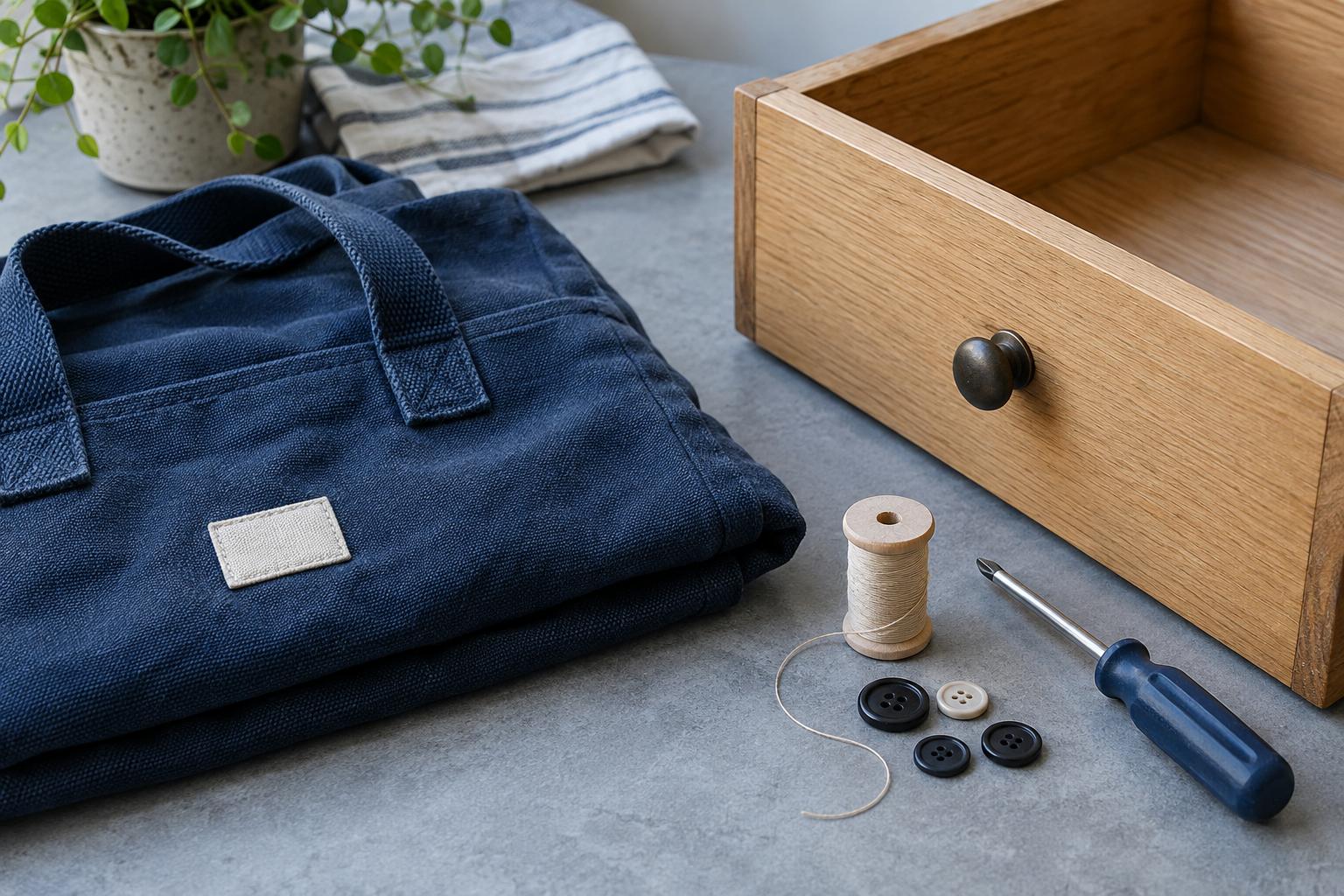
A new hobby often arrives with a long equipment list, even when the first project needs only a small part of it. The challenge is to begin with enough suitable material to enjoy a fair trial without buying for every possible future direction. Choose a specific first project before choosing a starter bundle.
Find reliable instructions for that project and identify the essential tools and consumables. Separate them from conveniences, decorative extras, and equipment used in more advanced work. If the activity involves safety requirements, obtain appropriate guidance and equipment from the start. Starting small means limiting scope, not omitting necessary protection or suitable materials.
Look at what you already own, then consider borrowing, a class with materials included, or a small purchase. A guided session can sometimes clarify preferences before you commit to equipment, but compare its complete cost and content. Do not assume a class is automatically cheaper; the benefit may be the information and access it provides.
Judge kits by usable contents
A starter kit can simplify selection when its components match the project. It can also bundle many low-priority items with one useful tool. List the pieces you would buy independently and compare their total with the kit price. Avoid valuing every included item equally merely because the package advertises a large number of pieces.
For example, someone trying watercolour might begin with a suitable small selection of materials and one simple lesson project. A large case of colours and accessories may offer variety, but it cannot establish which tools that person enjoys using. This is a purchasing example, not a technical recommendation about the materials required for every style of painting.
Choose a completion point for the trial: a few projects, a short course, or a period of actual practice. Review the equipment afterward. What limitation repeatedly interrupted the activity? What remained untouched? Upgrade to solve an observed problem rather than to match a photograph of an experienced hobbyist's workspace.
Leave room for changing interests
Storage and setup effort influence whether a hobby happens. An activity that requires clearing an entire room may need a different arrangement from one that fits at a small table. Buy within the space you can realistically use. More equipment can increase the effort of starting each session instead of making it easier.
Keep a modest allowance for consumables so the initial tools can actually be used. Spending everything on equipment while leaving no room for project materials defeats the purpose.
You can expand once experience gives you a reason. A smaller beginning preserves the option to continue, change direction, or stop without a large collection of unused supplies. The first purchase succeeds when it helps you discover whether you enjoy the activity itself.