
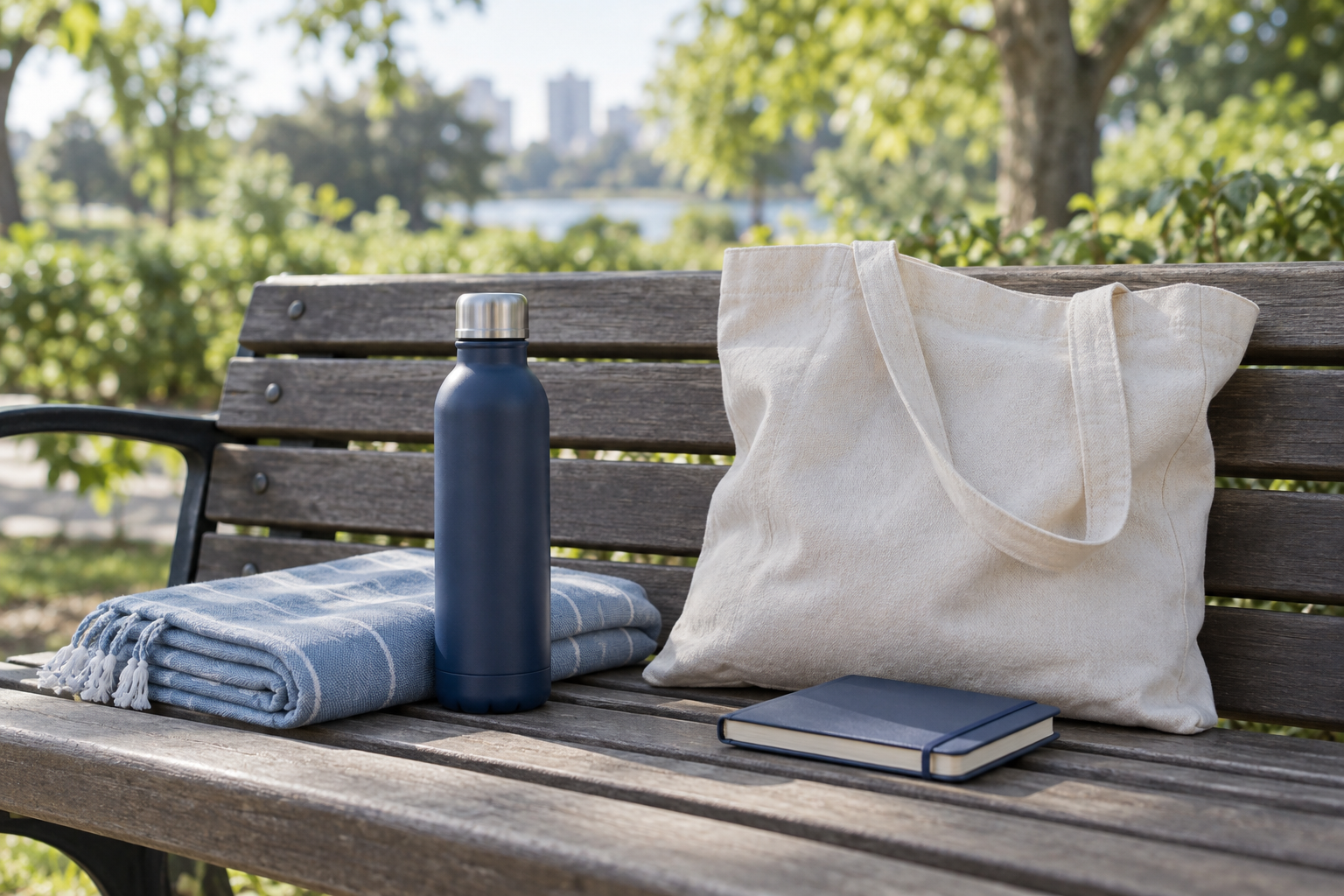
A picnic is often imagined as an inexpensive outing, yet baskets, blankets, matching containers, games, and extra food can turn it into a substantial purchase. Begin with the people, place, and length of the outing. Then identify what is genuinely needed using suitable items you already own wherever practical.
Check the location's current rules and facilities. Confirm access, opening times where relevant, toilets, seating, transport, and whether food is permitted in the intended area. Some parks or attractions have booking or entry arrangements that should be checked directly. A scenic place is less useful if basic practical needs make the visit difficult for the group.
Choose a realistic duration and food plan. A short afternoon visit with a planned snack is different from a full-day meal outdoors. Ask about dietary needs and select an arrangement you can manage safely. Follow reliable food-safety guidance for the actual conditions; the budget should not depend on improvised storage or keeping unsuitable food outdoors for convenience.
Inventory equipment before shopping. A washable cloth, existing bag, suitable containers, and ordinary reusable utensils may already cover the plan. You do not need a coordinated picnic collection to enjoy the setting. If an essential item is missing, compare borrowing with buying and consider whether the product will be useful beyond one outing.
Coordinate contributions when several households attend. Agree who brings which category and roughly how much, rather than asking everyone to bring anything. This can reduce duplicate purchases and make the meal more coherent. Keep the requests optional and proportionate; a shared picnic should not leave one person responsible for a costly centerpiece that was never discussed.
Plan entertainment lightly. Conversation, a familiar game, drawing, or a walk may be enough, depending on the group and location. Check rules for equipment or activities before bringing them. Avoid buying several new games to fill every possible moment when the main attraction is spending time together in a different setting.
Include transport, parking, and any entry cost in the total, then choose a weather backup. The alternative might be the same simple gathering indoors rather than an expensive replacement venue. After the outing, clean and store reusable items according to their care instructions and note what was actually useful. A successful picnic leaves you with a repeatable low-effort plan, not a cupboard of specialized purchases that need another elaborate event to justify them. Confirm who will carry shared items, especially if the route includes stairs or a substantial walk.