
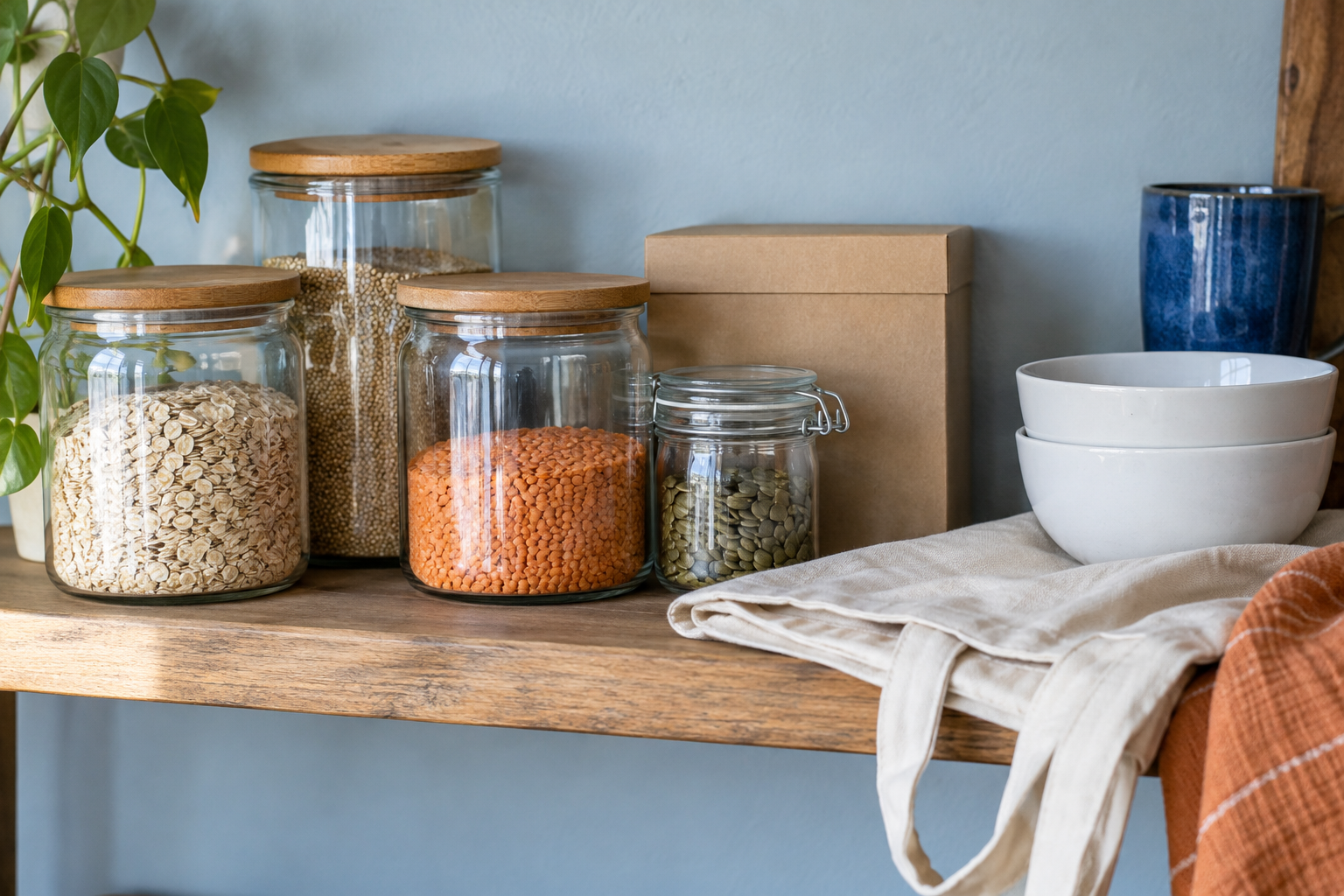
Packing lunch can simplify spending when the food fits your day. It becomes less economical when the plan requires a separate collection of special ingredients, containers, and snacks that you rarely use. Start with the place where you will eat: available refrigeration, reheating equipment, time, and space all affect which lunches are practical.
Choose a meal format that works within those conditions and follow official guidance for safe handling and transport. Do not assume a lunch is suitable simply because it travels well without spilling. Temperature requirements and storage conditions need their own attention. If the facilities are uncertain, resolve that question before buying ingredients for the week.
Look for overlap with food already in your ordinary meal plan. An ingredient prepared for dinner may also suit a separate planned lunch portion when handled correctly. This does not require eating exactly the same meal twice. Rice, beans, vegetables, or another familiar component can have different combinations, provided each use is realistic and follows appropriate safety instructions.
Plan portions deliberately
For example, a household cooking a familiar evening meal might decide before starting to prepare an appropriate additional lunch portion. That is different from hoping an unspecified amount will remain after everyone eats. If the recipe produces no extra food, the lunch needs another plan. Make the quantity intentional without enlarging every dinner automatically.
Include the small things that make lunch usable: suitable cutlery, a reliable closure, and any accompaniment you genuinely want. Use appropriate equipment you already own where possible. A new collection of containers is unnecessary if an existing option meets the food's requirements. Conversely, a container that leaks can make a good meal plan difficult to sustain.
Compare the whole lunch with the alternative you would actually buy. Do not claim a saving against an expensive restaurant meal if your usual alternative is something much simpler. Include food bought exclusively for the packed lunch and any unused quantity it creates. The comparison should reflect your own pattern, not the largest possible difference.
Keep an alternative for days when preparation does not happen. It might be another suitable food already at home or a deliberately budgeted purchase near work. Having an ordinary fallback avoids treating one missed lunch as failure and abandoning the routine entirely.
After a week, note which meals travelled and ate well, which required too much preparation, and whether the portions were satisfying. Adjust the menu before buying more lunch-specific products. The strongest routine is usually a small selection of meals connected to the rest of your kitchen, with safe handling and an effort level that still works on a busy morning.