
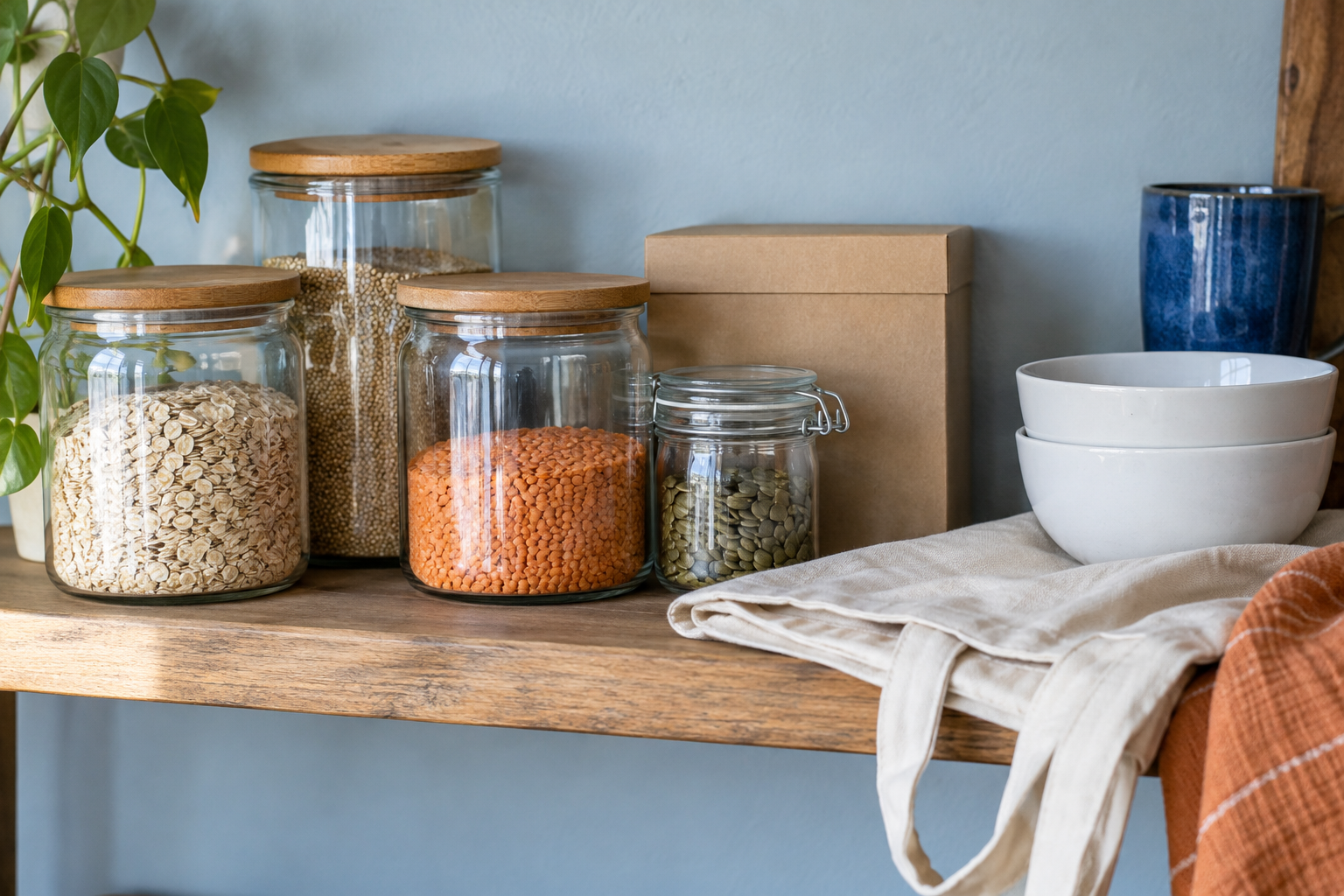
Plain oats, flavoured portions, and breakfast mixes can appear beside one another while offering different levels of preparation. Start with the breakfast you want and the time you have. A product that requires cooking may suit a relaxed morning, while a convenient format may fit a rushed one better.
Read the ingredients and preparation instructions to understand what you are comparing. Different cuts, mixes, and additions can change texture, flavour, and required work. Do not assume all packages are interchangeable in a recipe. Use reliable instructions when substituting and check any information relevant to household dietary requirements.
Compare the price per kilogram for suitable options, then estimate the amount in your actual bowl. A manufacturer's serving suggestion is useful information, but it may not match what you normally prepare. Avoid making the cost look low by assuming a portion you would not find practical. The calculation should represent your breakfast rather than an idealized label example.
Include the ingredients that complete it
Milk, yogurt, fruit, nuts, or other additions can be a substantial part of the meal cost. Some mixes contain additions already; others need them separately if that is how you enjoy the breakfast. Compare the complete versions you would eat. A plain base is flexible, but it is not automatically the cheapest finished bowl in every household.
For example, someone who already buys fruit and yogurt for several meals may find plain oats fit easily into the basket. Someone purchasing several new toppings only for one experimental breakfast may spend more than expected. The difference comes from the surrounding routine, not from a rule that prepared mixes are always poor value.
Consider portion packs for the situations they solve. They may make transport or occasional use easier, while a larger bag can suit regular preparation at home. Check the full quantity and storage instructions. Buying a large bag before knowing whether you enjoy the product turns a simple trial into a longer commitment.
Try one change at a time
If you want to reduce the cost of a familiar breakfast, change either the base or one addition first. This makes it easier to notice whether the result still works for you. Replacing several components at once can leave you with multiple unfamiliar products and no clear idea which change caused disappointment.
After a week, compare the amount used with your estimate and note whether preparation happened reliably. If the breakfast repeatedly took too long, a different format may be worth considering even at a higher unit price.
Choose the option that becomes a breakfast you actually eat, with a realistic portion and manageable preparation. A low theoretical cost per serving is less useful than a clear understanding of what goes into your own bowl.